A forklift price only makes sense when it is tied to the work the truck must perform. Two machines with the same headline capacity can have very different costs once mast height, power source, tires, attachments, hours and support are considered. The useful first step is to document the application, then compare equipment built for that duty.
1. New, used or reconditioned condition
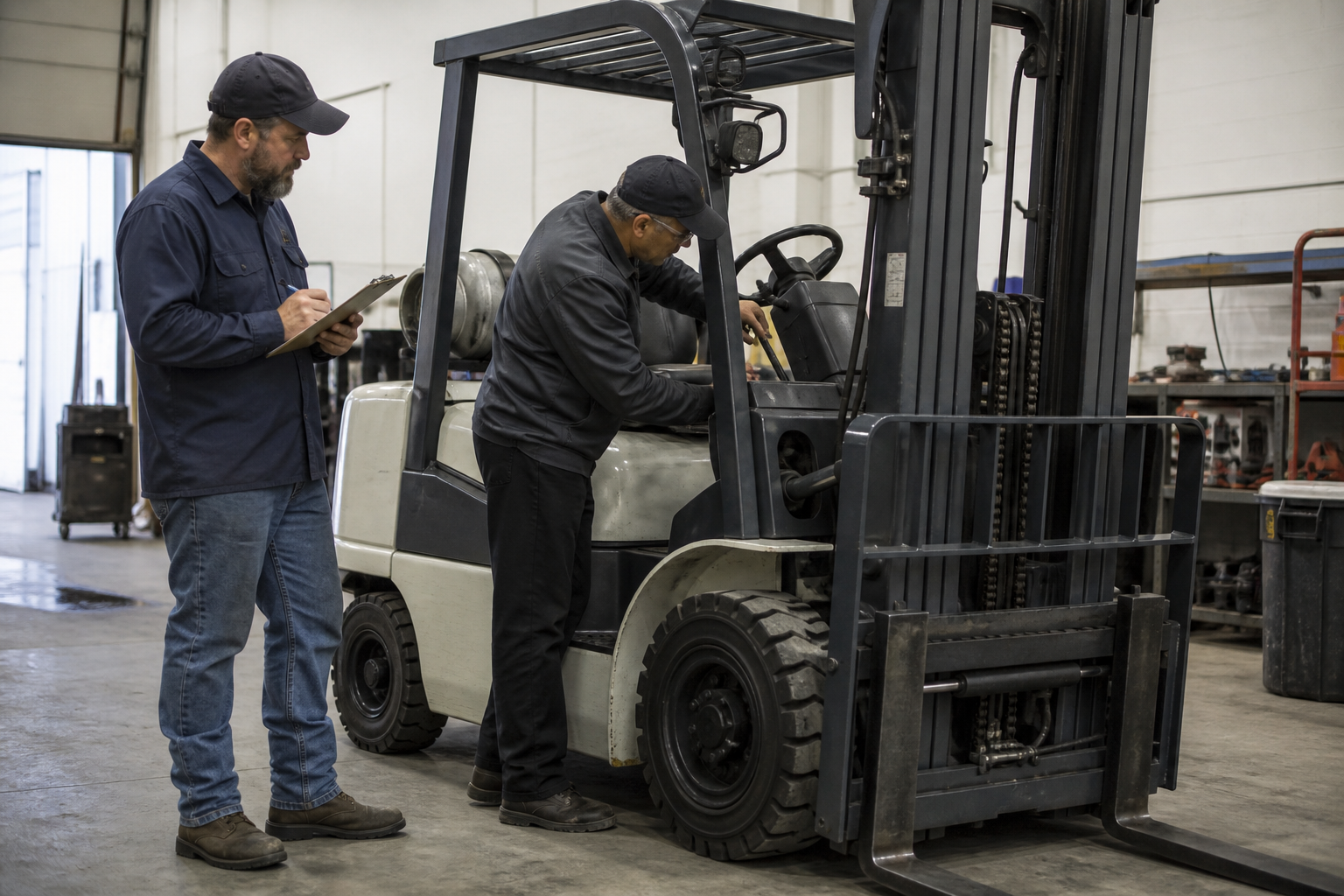
New equipment usually carries the highest acquisition cost but offers a known service history, current safety features and a full manufacturer warranty. Used equipment can reduce the purchase price, although hours alone do not describe condition. Review service records, mast and chain wear, hydraulic leaks, tire condition, battery age or engine condition, and evidence of impact or overloading. Start with Union Forklift’s used forklift inventory when comparing available machines.
2. Capacity and load center
Capacity is rated at a stated load center. A long, uneven or offset load can reduce usable capacity even when its total weight appears acceptable. Moving from a common 5,000-pound truck to a higher-capacity chassis changes the mast, counterweight, tires, brakes and overall machine size—not just the number on the data plate.
3. Lift height and mast configuration
A standard two-stage mast usually costs less than a high-lift three-stage mast. Free lift, collapsed mast height and overhead clearance also matter. Measure the highest beam, lowest doorway, trailers and sprinklers before pricing the truck. A less expensive mast that cannot enter a doorway or reach the required beam is not a saving.
4. Electric, propane, gasoline or diesel power
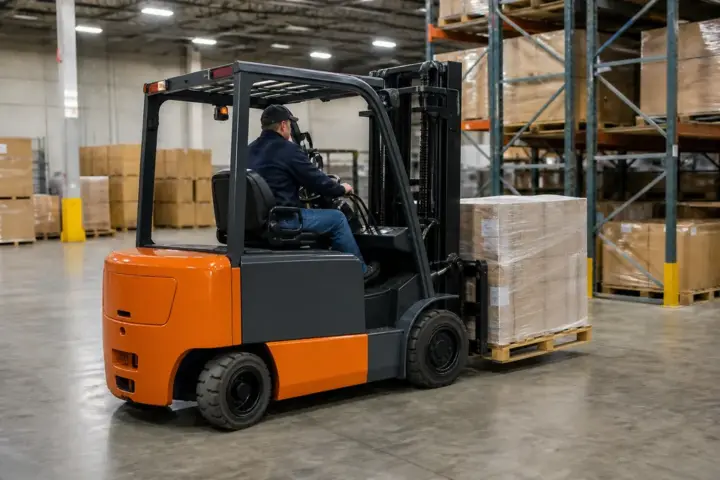
Power source affects purchase cost and operating infrastructure. Electric trucks may require batteries, chargers, electrical work and charging space, but they can fit indoor operations with emissions and noise concerns. Propane offers fast refueling and flexible indoor-outdoor use where ventilation is suitable. Diesel is common in demanding outdoor work. Compare the full duty cycle through the equipment guide, not fuel price alone.
5. Tires and operating surface
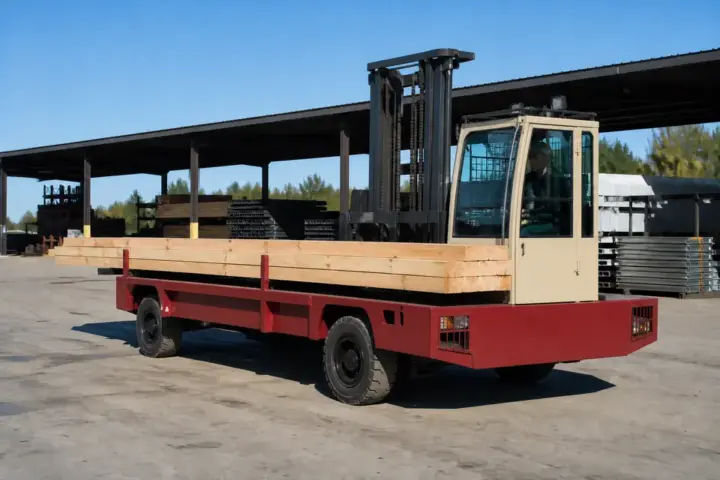
Cushion tires suit smooth indoor floors and compact turning needs. Pneumatic or solid-pneumatic tires better tolerate yards and uneven surfaces, but they increase truck size and may affect aisle requirements. Rough-terrain equipment is a different class entirely and should not be priced as a warehouse substitute.
6. Attachments and hydraulic functions
Sideshifters, fork positioners, clamps, rotators and special forks add cost and can reduce net capacity. Confirm that the truck has the correct hydraulic functions and that the revised capacity plate covers the attachment and load.
7. Hours, duty cycle and environment
A truck running one light shift has different requirements from a machine working multiple shifts in cold storage, dust, heat or corrosive conditions. Heavy duty may justify higher-cost cooling, filtration, sealed components, battery capacity or service support.
8. Freight, delivery and local availability
Transportation can materially affect the delivered price of a heavy machine. Include delivery ZIP code, dock or unloading conditions and the date equipment is required. Union Forklift supports requests through its nationwide coverage network, but availability and freight remain equipment- and location-specific.
9. Ownership and service costs
Compare preventive maintenance, tires, batteries, fuel, inspections, expected downtime and resale value. The cheapest purchase can be expensive if parts support is weak or the truck is poorly matched to the application.
Frequently asked questions
What information is needed for an accurate forklift quote?
Provide maximum load weight and dimensions, load center, lift height, aisle and doorway clearance, surface, daily hours, power preference, attachments and delivery ZIP code.
Is a used forklift always cheaper?
The purchase price is usually lower, but battery, tire, mast, hydraulic or engine work can change the total cost. Condition and service records matter more than age alone.
Should price comparisons include freight?
Yes. Compare delivered equipment with the required attachments, charger or fuel setup, warranty and commissioning—not an equipment-only figure.
Ready to compare a properly scoped price? Request forklift options using the actual load, lift height and operating conditions.