Reach trucks and counterbalance forklifts can both move palletized loads, but they solve different layout problems. Price should follow application. A lower-cost truck that forces wider aisles or cannot serve the dock may cost more at the facility level.
Where a reach truck fits
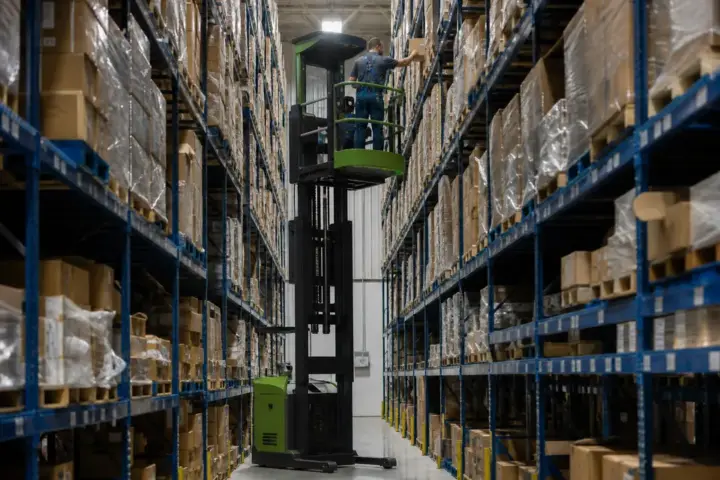
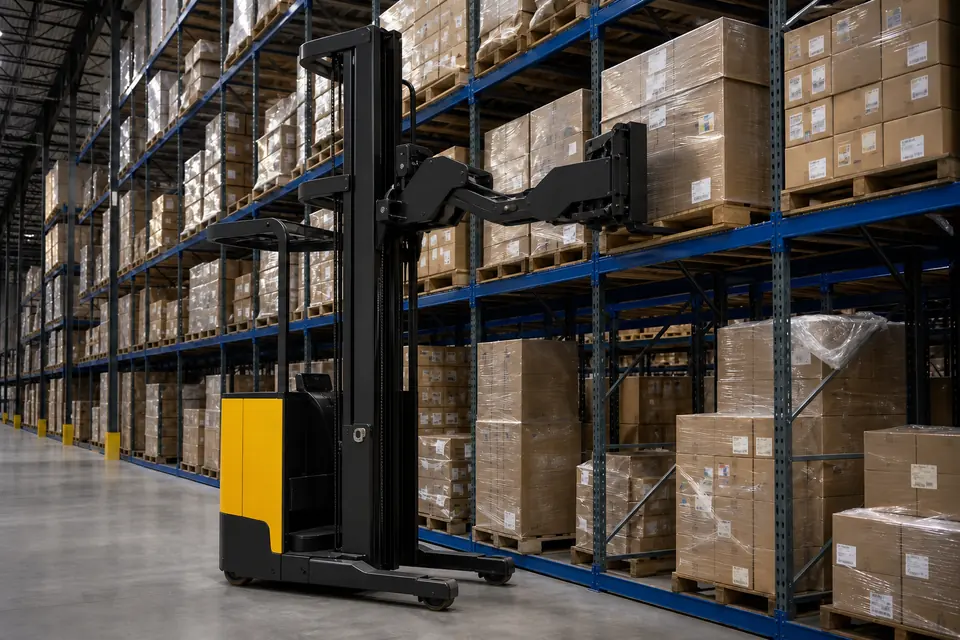
Reach trucks are designed for narrow warehouse aisles and higher rack work. They depend on suitable floors and are generally indoor electric equipment. Review warehouse electric forklifts for available classes.
Where a counterbalance truck fits
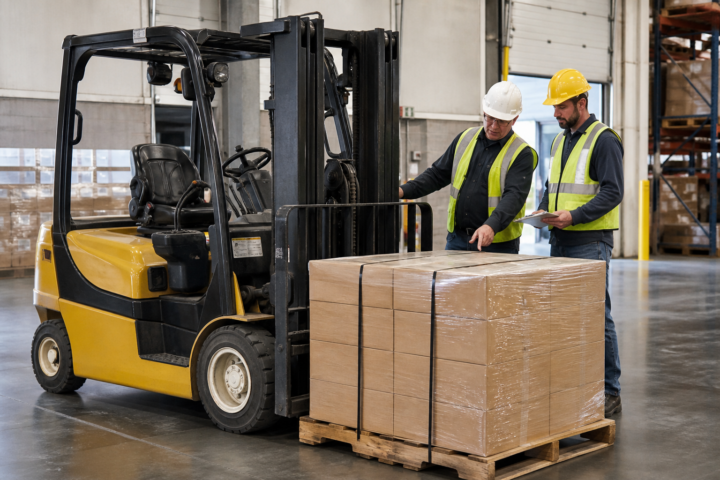
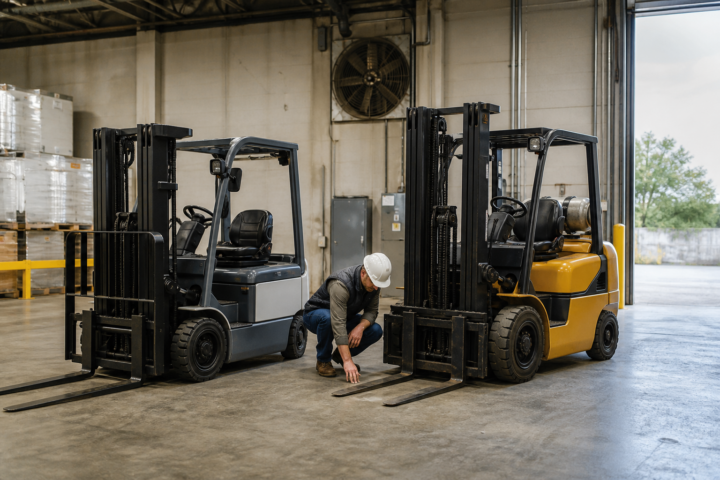
Counterbalance forklifts are versatile at docks, staging areas, warehouses and, with the correct tires and power, outdoor surfaces. They normally require more right-angle stacking room.
Compare aisle and storage economics
A reach truck may carry a higher equipment price but support narrower aisles and more rack positions. Measure real clearances with the aisle-width guide.
Compare lift and load
High rack heights, load dimensions and attachments affect both choices. Verify configured capacity using the capacity checklist.
Include battery and charger
Reach-truck pricing should clearly identify battery and charger. Compare runtime, shift pattern and charging space.
Consider work outside the rack aisle
If the truck must enter trailers, cross rough dock plates or work outdoors, one machine may not cover every task. Sometimes a reach truck and a separate dock truck are more productive than forcing one compromise.
Frequently asked questions
Is a reach truck cheaper than a counterbalance forklift?
Not necessarily. Compare equipment and facility effects, including rack density and additional truck needs.
Can a reach truck work outdoors?
Most are intended for suitable indoor floors. Verify the specific manufacturer’s limits.
Which truck needs more aisle width?
A sit-down counterbalance truck generally needs more turning room, but exact requirements depend on model and load.
Use one layout brief to compare reach-truck and forklift quotes.